
Description of Four Wheel Drive System
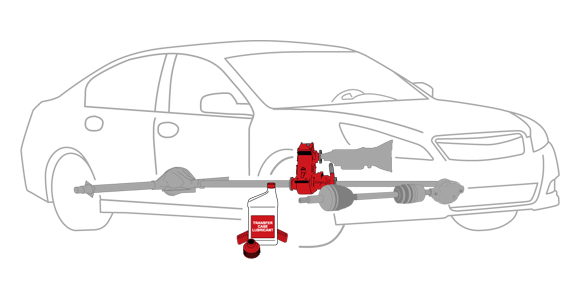
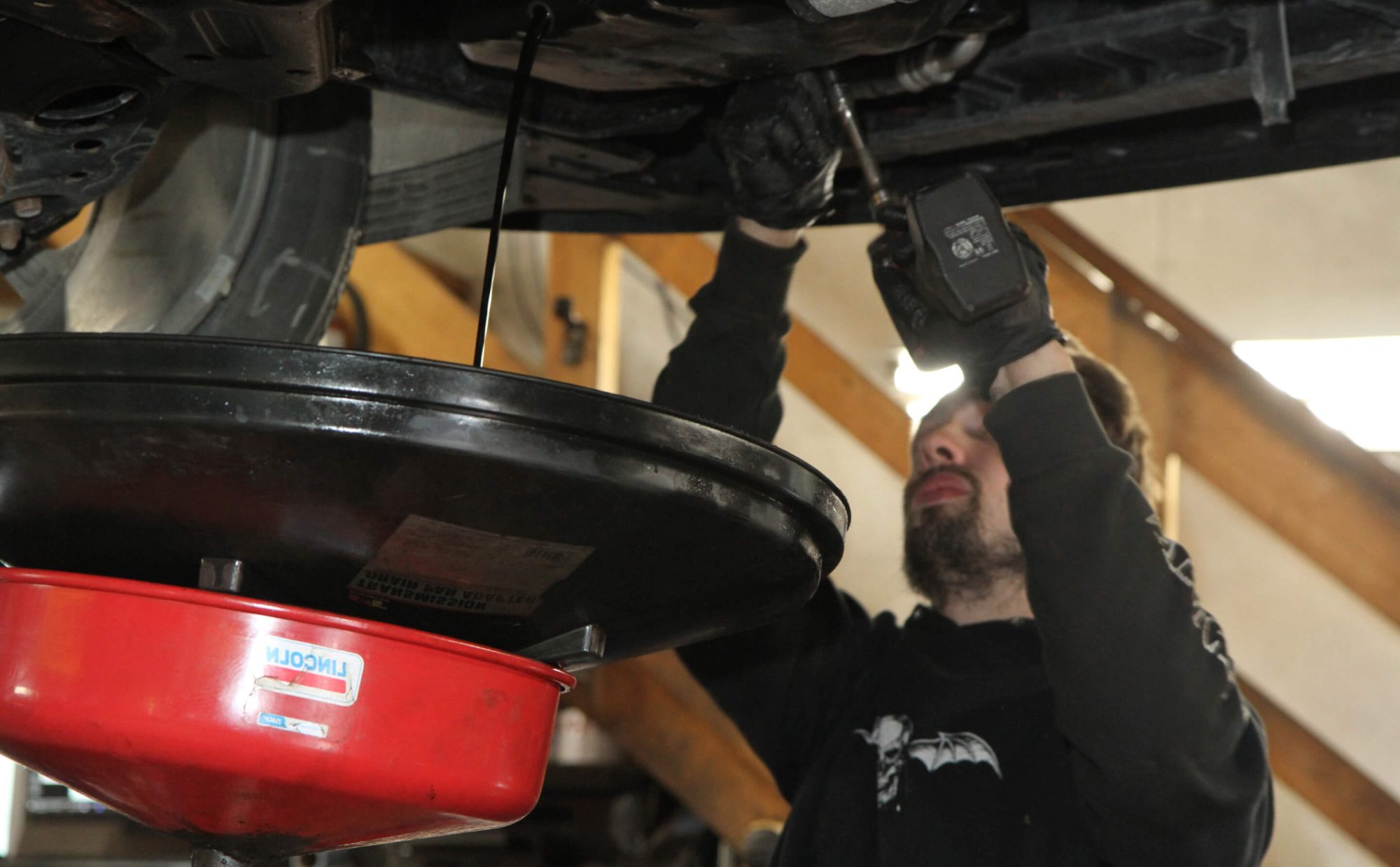
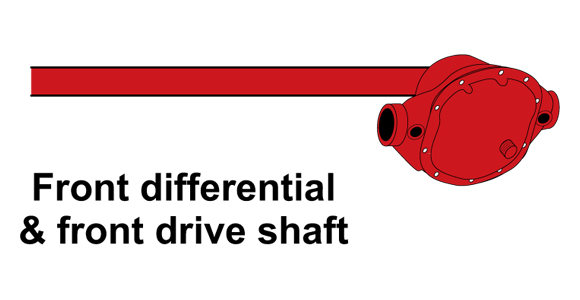
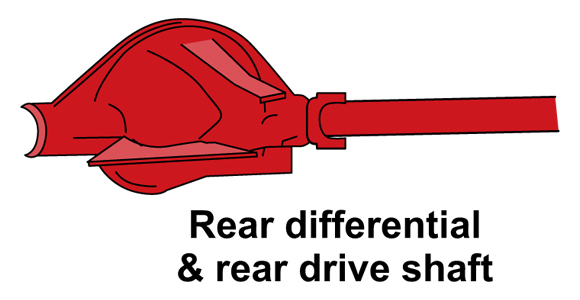
Four wheel drive systems allow all four wheels on a vehicle to spin simultaneously. All 4WD vehicles have a transfer case between the front and rear axles that prevents the axles from spinning at different speeds. The transfer case allows the engine to provide maximum torque to the axle and wheels in order to maintain traction. Different 4WD configurations exist, and each variation employs different technologies to meet the needs of the driver. Some 4WD systems have a locking differential. This means both wheels on the axle will turn together to achieve maximum traction. Another variation is the limited-slip differential. It can detect a slide or slip in one wheel and send torque to the other wheel to regain traction. A manual hub requires users to manually engage the front wheel drive mechanism in order to fully engage the 4WD system, while an automatic hub allows users to automatically command the front wheels in order to engage the 4WD system. Our service staff has extensive experience working on all types of 4WD systems.
Benefits of Four Wheel Drive System
Doug’s Auto Repair proudly serves the Four Wheel Drive System needs of customers in Nepean, ON, Ottawa, ON, Kanata, ON, and surrounding areas.
The Basics Behind Four Wheel Drive Inspection Services at Doug’s Auto Repair
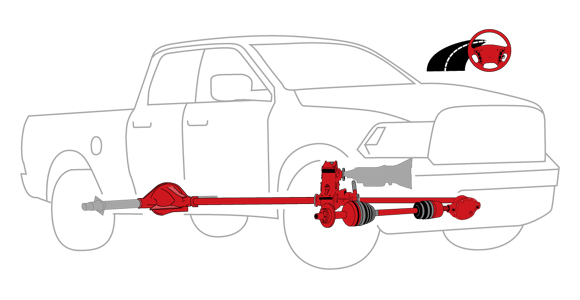
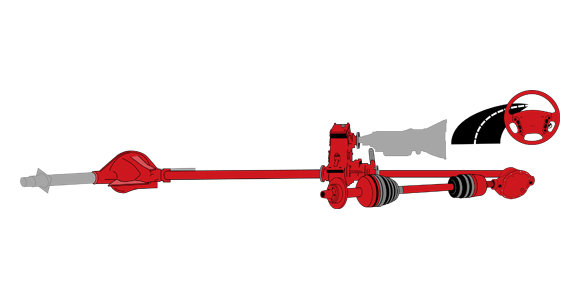
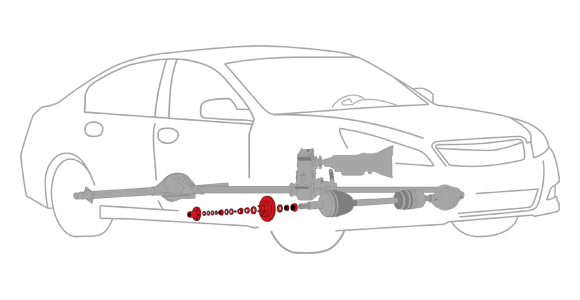
Four wheel drive allows a vehicle to supply power to all four of its wheels. Drivers depend on four wheel drive systems to give them better traction on snow, ice, and off-road terrain. Vehicles with 4WD can be full-time or part-time. A part time 4WD system can be engaged and disengaged as desired by the driver and is designed to be used under conditions where poor traction is an issue. Standard full-time 4WD systems consistently deliver power to all four wheels, and can be operated while driving on any type of surface. The goal of a 4WD system is to send torque to the wheels to prevent slippage. A four wheel drive system is composed of various parts. These include the differentials, hubs, and the transfer case. A transfer case is responsible for delivering power to both the front and rear axles, while hubs help secure the wheels. To keep a 4WD vehicle performing as intended, drivers should watch over the different parts of the system and have them routinely inspected during a 4WD service.
We proudly service the Four Wheel Drive Inspection needs of customers in Nepean, ON, Ottawa, ON, Kanata, ON, and surrounding areas.
Areas Served :
Nepean, ON | Ottawa, ON | Kanata, ON | and surrounding areas


The Basics Behind Hub Services at Doug’s Auto Repair
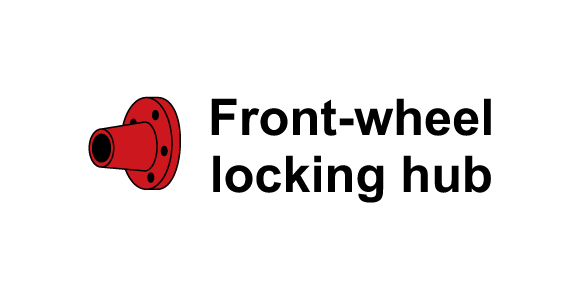
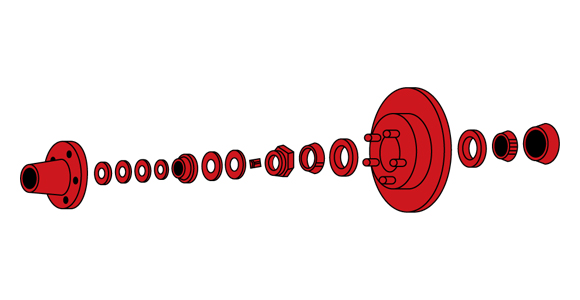
Locking hubs, also known as free wheeling hubs, play an important role in four wheel drive systems. Usually located on the front wheels of part-time 4WD vehicles, locking hubs are used to engage the front wheels and transform them into drive wheels as needed. Without locking hubs, a vehicle will not be able to enter into four wheel drive mode. In addition, locking hubs are responsible for disengaging a vehicle from four wheel drive. Working hubs on a part-time 4WD vehicle are important if a driver wants the benefits of each drive mode. Four wheel drive allows a motorist to maintain a high level of control when driving on rough terrain and in harsh environmental conditions, while two wheel drive provides better fuel economy and prevents excessive tire wear. Locking hubs are useful because they make switching between these modes possible.
We proudly service the Hub Service needs of customers in Nepean, ON, Ottawa, ON, Kanata, ON, and surrounding areas.
Areas Served :
Nepean, ON | Ottawa, ON | Kanata, ON | and surrounding areas








The Basics Behind Transfer Case Repair Services at Doug’s Auto Repair
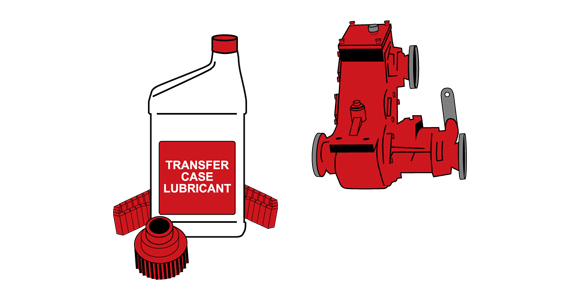
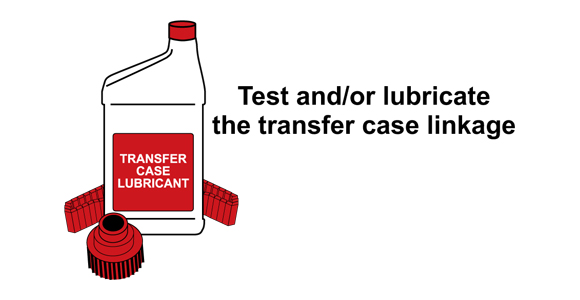
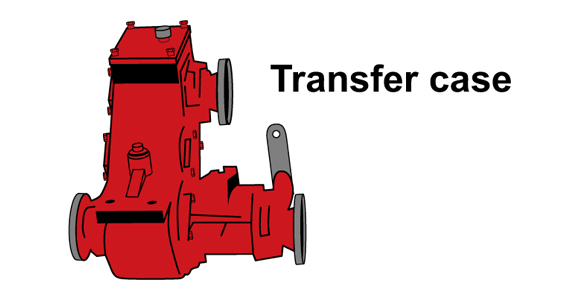
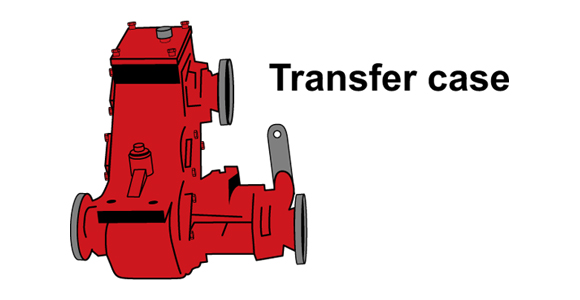
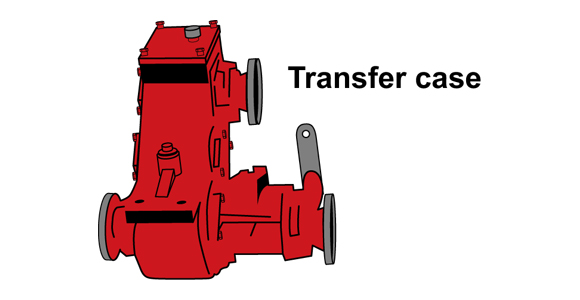
Four wheel drive systems operate with the help of a transfer case, a type of gearbox that is usually located behind the transmission. The purpose of the transfer case is to help the vehicle apply the correct amount of torque required by the driver. In 4WD and all wheel drive vehicles, the transfer case uses gears (and often a chain if the vehicle is a modern make or model) to help the vehicle enter into or maintain four wheel drive. All transfer cases also use a lubricant to keep the gears operating correctly. Because transfer cases play a key role in the performance of a 4WD vehicle, we advise our customers to watch over and repair their respective transfer cases when needed. Depending on the vehicle, recommended transfer case inspection intervals will vary. As such, drivers should look to their owner’s manuals and vehicle manufacturers for recommendations.
We proudly service the Transfer Case Repair needs of customers in Nepean, ON, Ottawa, ON, Kanata, ON, and surrounding areas.
Areas Served :
Nepean, ON | Ottawa, ON | Kanata, ON | and surrounding areas
The Basics Behind Transfer Case Services at Doug’s Auto Repair
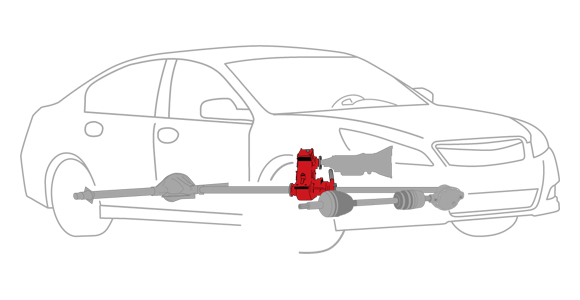
A transfer case is one of the serviceable components in a four wheel drive system. Present in both full-time and part-time 4WD vehicles, the transfer case operates with the help of gears and, in many modern cars, a chain. Usually, a transfer case indirectly connects to the transmission’s rear. The transmission sends power to the transfer case which in turn sends the power, or torque, to the front and rear drive shafts. Because of the transfer case, the wheels can spin at the same speed, and the vehicle is able to enter or maintain its four wheel drive. Often, part-time 4WD vehicles use a transfer case with an extra set of gears that allows for the creation of extra torque through the selection of a high or low gear range. This can make it easier to climb steep hills and mountains. Transfer cases also contain a lubricant that keeps gears running correctly. Because they are a significant part of the 4WD system, it is important that drivers maintain them.
We proudly service the Transfer Case Service needs of customers in Nepean, ON, Ottawa, ON, Kanata, ON, and surrounding areas.
Areas Served :
Nepean, ON | Ottawa, ON | Kanata, ON | and surrounding areas